Forró in Rio de Janeiro: A Beginner's Guide
Brazil's easy, friendly partner dance. What forró is, where it comes from, and where to dance forró in Rio, even if you come alone.
By Helio Borges, founder of Rio Samba Dancer · Updated November 2026
Forró is a social partner dance from the Northeast of Brazil, danced close together to accordion, triangle and zabumba drum. The basic step is a simple side-to-side two-step, so beginners can dance in a few minutes. In Rio there is forró almost every night, and you can go alone: people change partners after every song.
Is forró a solo or partner dance?
Forró is a partner dance. But don't worry if you come alone: at a forró night it's normal to ask strangers to dance, and people change partners after every song.
It's one of the most social dances in Brazil, and one of the best ways to meet locals in Rio.
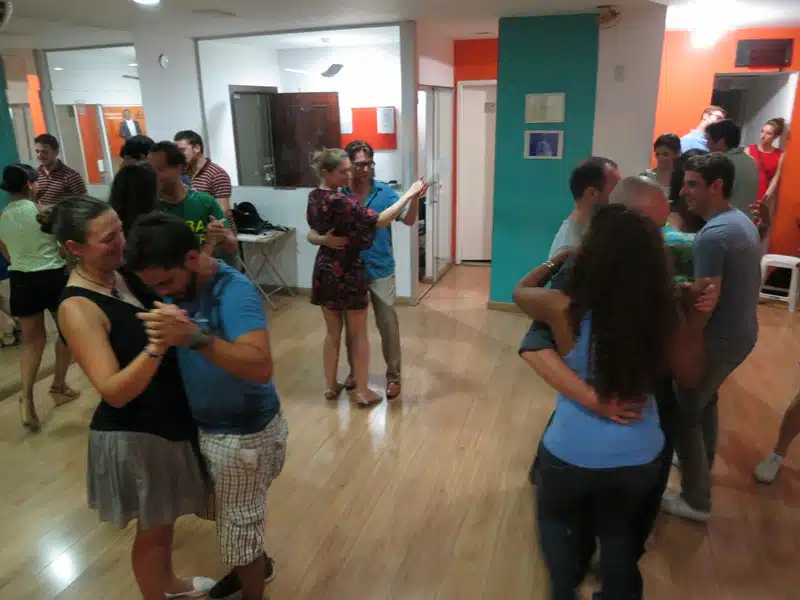
Watch: forró night with Rio Samba Dancer.
Forró in 3 simple facts
Where it comes from
The Northeast of Brazil. It became famous across the country with Luiz Gonzaga in the 1940s and 50s, and people who moved to Rio brought it with them.
The music
The classic band is just three instruments: accordion (sanfona), triangle and zabumba drum.
How hard is it?
Easy to start. The basic step is a side-to-side two-step with a small pause. Advanced dancers add turns and close moves.
💡 Fun fact: you may hear that "forró" comes from the English "for all", from parties of British railway workers. Most historians say it comes from forrobodó, an old Brazilian word for a big, lively party.
Where to dance forró in Rio
There's forró somewhere in Rio almost every night, from small bars to big dance halls, often with a live band.
Venues change often, so search "onde dançar forró hoje" (where to dance forró today) when you're in Rio. The easiest way to start is with a class and a local guide.
Forró or samba: which should I try first?
| Forró | Samba | |
|---|---|---|
| Partner? | Partner dance (change partners often) | Solo (samba no pé) |
| Music | Accordion, triangle, zabumba | Drums, cavaquinho, singing |
| Basic step | Side-to-side two-step | Quick three-step footwork |
| Best if… | You want to meet people | You want to dance without a partner |
Our tip: try both! Start with a samba class if you want to dance alone, or forró if you want a social partner dance.
Dance forró with us in Ipanema

Forró Experience (Partner Dance)
- Beginner-friendly forró class
- Night out at a local forró club with a live band
- Transport, club ticket and a local guide included
- All levels. You don't need to bring a partner
Forró in Rio: questions
What is forró?
Forró is a social partner dance and music style from the Northeast of Brazil, played with accordion, triangle and zabumba drum. It's one of the most popular dances in Brazil.
Can I dance forró without a partner?
Yes. You go alone and dance with different people during the night. Asking strangers to dance is normal at a forró night.
Is forró hard to learn?
No. The basic step is a simple side-to-side two-step with a small pause. You can learn it in a few minutes and start dancing straight away.
Do I need dance shoes?
No. Comfortable shoes that turn easily on the floor are best.
Is forró only for couples?
No. It's very social: people of all ages dance together and change partners often.
Where can I dance forró in Rio de Janeiro?
There's forró almost every night in Rio, in bars and dance halls with live bands. The easiest way for visitors is the Forró Experience in Ipanema every Wednesday at 6:30pm, with a class, a local guide and a live band.
Ready to dance forró in Rio?
Join our Forró Experience every Wednesday in Ipanema. All levels, no partner needed.